
Services
Expert opinions
- ›Yield analyses and simulations
- ›Revenue assessments
- ›Simulation-based storage sizing
- ›Damage assessments
- ›Defect assessments
- ›Glare assessment
- ›Self-consumption calculations for industry and commerce
- ›Evaluation of existing expert opinions
- ›Drainage assessment
- ›Noise immission forecasts to TA Lärm
- ›RPS analysis
- ›Decommissioning cost analysis
Technical Inspections
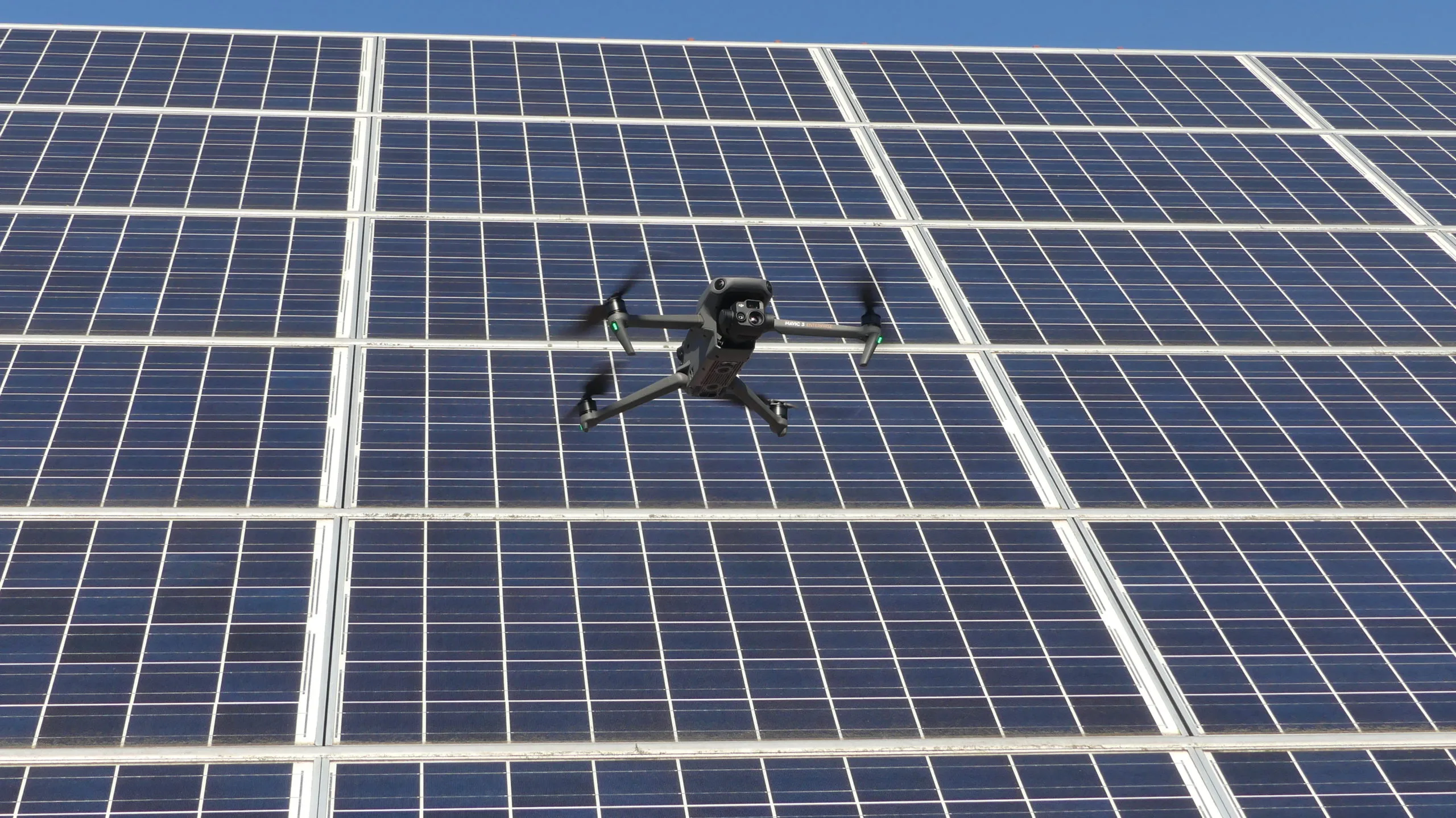
Metrological inspections
Defects and faults can be recognised with metrological inspections.
- String measurement
- Thermography and aerial photography
- Isolation resistance measurement
- VDE 0126-23 Measurement
Due diligence review
(technical project review)
Should a PV system or an entire portfolio be taken over? We check the technical aspects right through to the system documentation. We recognise defects and assess technical risks.
Construction progress control
We are at your side during the construction phase and check the progress of the work. In this way, defects and deviations from the contract can be recognised at an early stage and countermeasures can be taken.
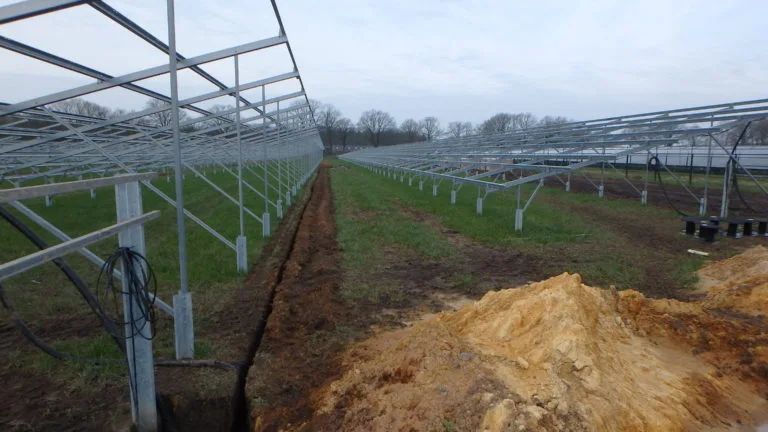
Acceptance and commissioning test
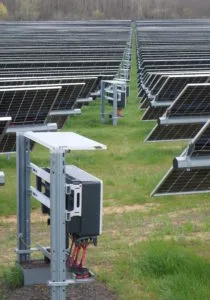
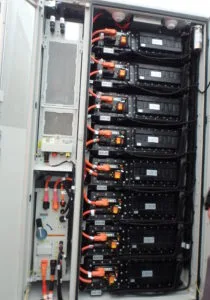
Extensive testing is essential to ensure that no faults or defects are overlooked during acceptance and/or commissioning.
We are trained by various manufacturers (e.g. Commeo, ABB, Tesvolt, Varta, Kostal) in the field of storage systems.
Inspection scope PV:
- Visual inspection of the construction work in accordance with DIN EN62446
- Safety assessment of the system
- Inspecting the substructure
- String current measurements
- Thermographic images
- Drone flights
- Comparison with the planning documents
- Checking the commissioning documentation
- Checking the function of the system monitoring
- Further test items by arrangement
Inspection scope storage (BESS):
- Testing in accordance with DIN EN IEC 62933-2-1
- Documentation and commissioning protocols
- BESS system status
- Effectiveness of protective and switch devices
- Implementation of the test cases developed with the customer
- Evaluation of the BMS logs
Examination at the end of the warranty period
Hidden defects can be reported and rectifications demanded until the end of the warranty period. We help you to visualise hidden defects and advise you on possible steps to take.
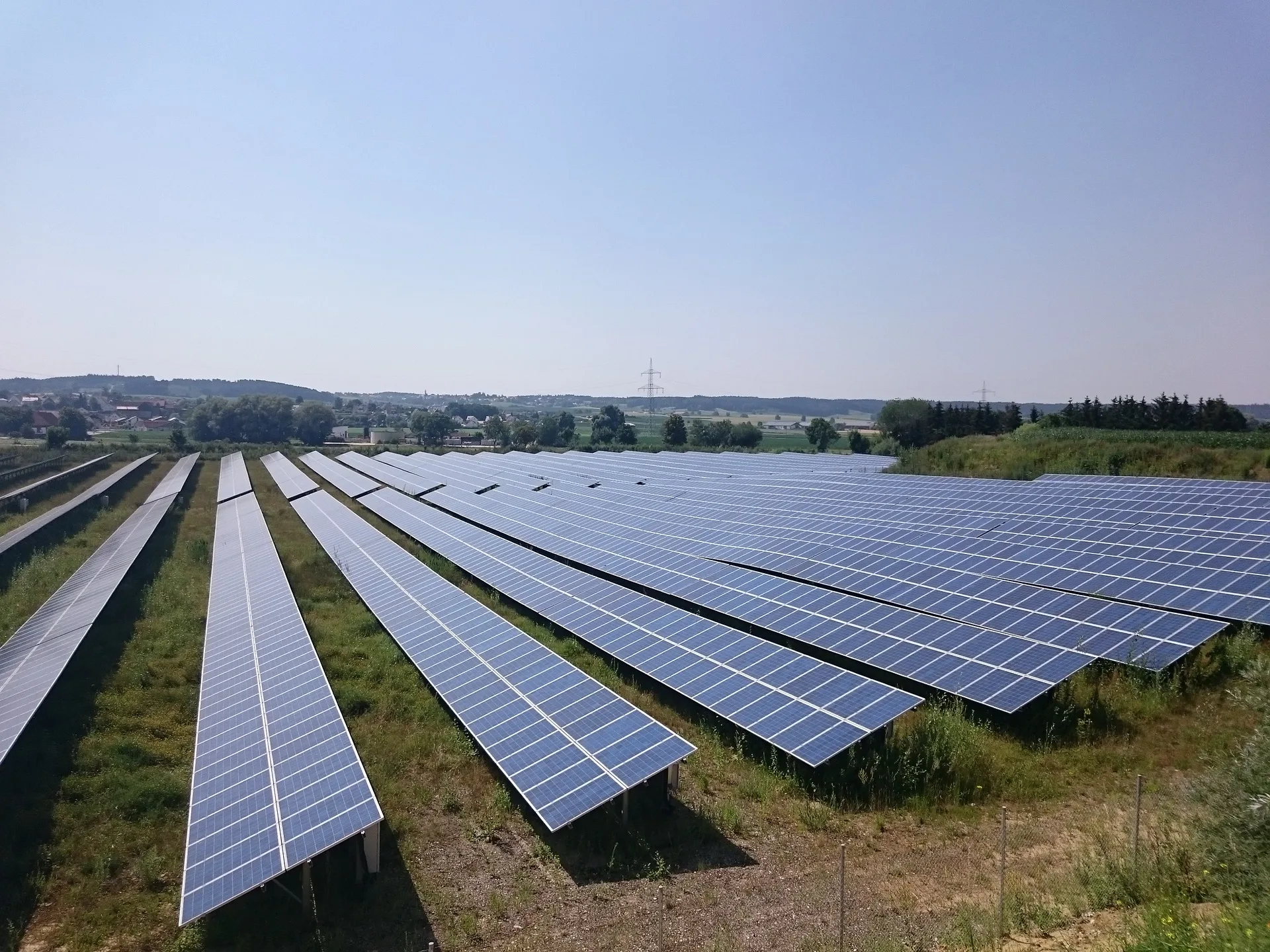
Technical Asset Management (TAM)
In order to obtain an unbiased status report for your system(s), it makes sense to have them inspected by an independent party from time to time.
- Regular and requested checks
- Assessment of defects and their elimination by the operator
- Monitoring and analysing system yields
- Creation of reports
- Consultations regarding measures to increase yields
Expert opinions
- Project developments
- Portfolio expansions and assignments
- Warranty and complaint applications
- Legal disputes
Yield analyses and simulations
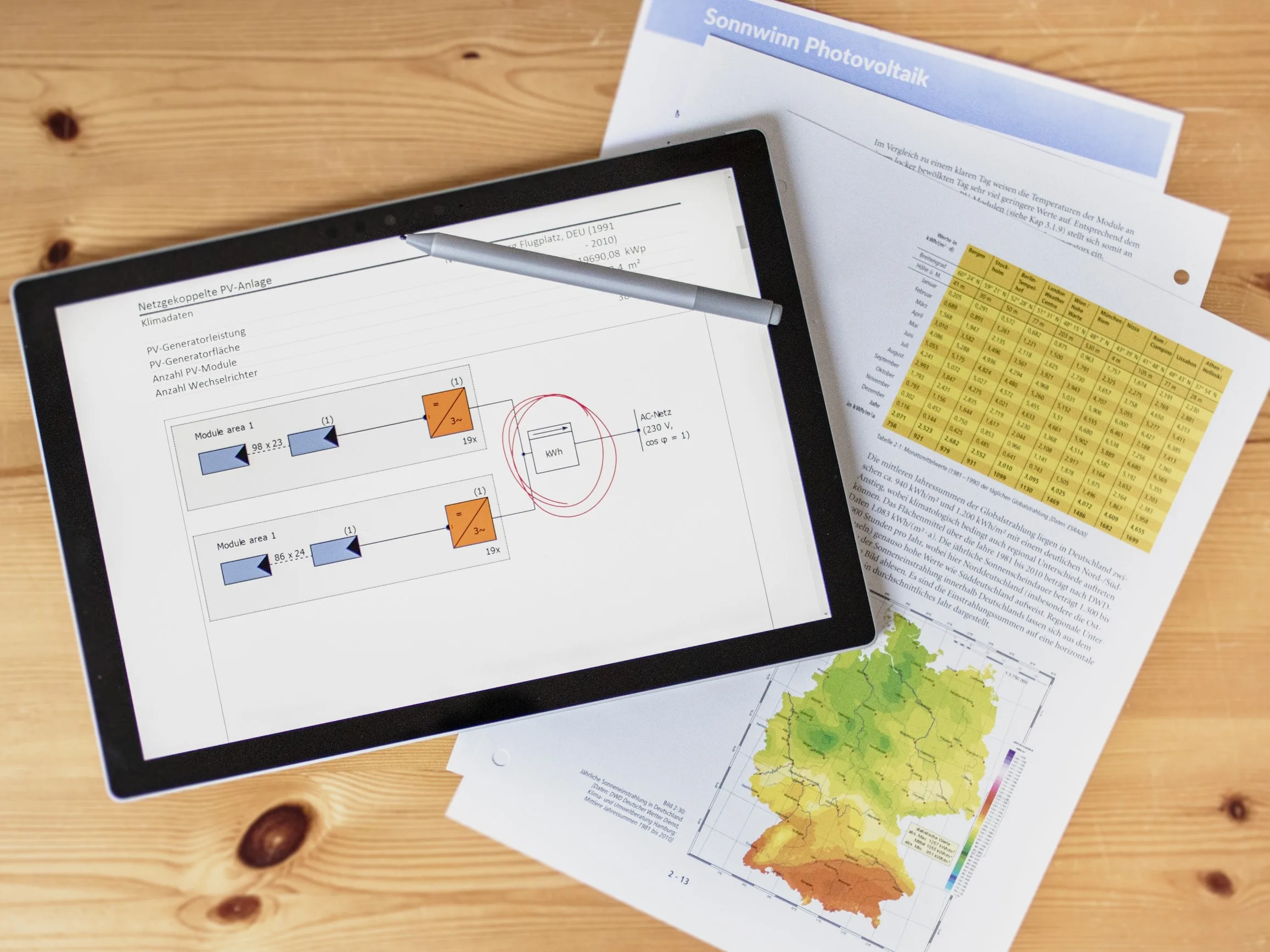
We prepare yield analyses and simulations for planned and existing PV systems. We use established software such as PVsyst for simulations. Our reports fulfil the current state of the art and are accepted by the banks. A yield report includes the following points:
- Evaluation of site-specific irradiation values
- Simulation of system yields
- Determination of the performance ratio (PR)
- Detailed loss analysis
- Evaluation of the results
Revenue assessments
A battery storage system does not generate energy — it takes energy in and releases it again. A yield assessment therefore does not apply to it. What we assess instead is the revenue to be expected, resolved over time across the operating life. Depending on the question at hand, a revenue assessment covers:
- Trading on the day-ahead and intraday markets
- Sale of balancing capacity
- Interaction with a connected generation asset
- Cycling and degradation of the battery
- Revenue ranges and sensitivities on the key assumptions
On the price side we work with price forward curves from a specialised provider, or with scenarios you supply. We also review revenue models prepared by third parties.
Simulation-based storage sizing
Before the revenue question comes another one: how large should the storage system be? Power rating and storage duration determine revenue, capital expenditure and the grid connection, and cannot be changed once the system is ordered. We compare sizing options under identical assumptions:
- Combinations of power rating and capacity
- Operation with and without coupling to a generation asset
- Different marketing routes
- Additional revenue set against additional cost for each option
The result shows the point beyond which additional revenue no longer covers the additional cost. We prepare this work for community energy cooperatives and utilities, among others.
Damage assessments
Damage assessments are required for insurance companies and legal disputes, among other things. A damage report includes the following points:
- Identification, analysis and categorisation of damage
- Determining the cause of damage
- Quantification of the repair costs
- Evaluation of loss of yields or reductions in yields due to damage
Defect assessments
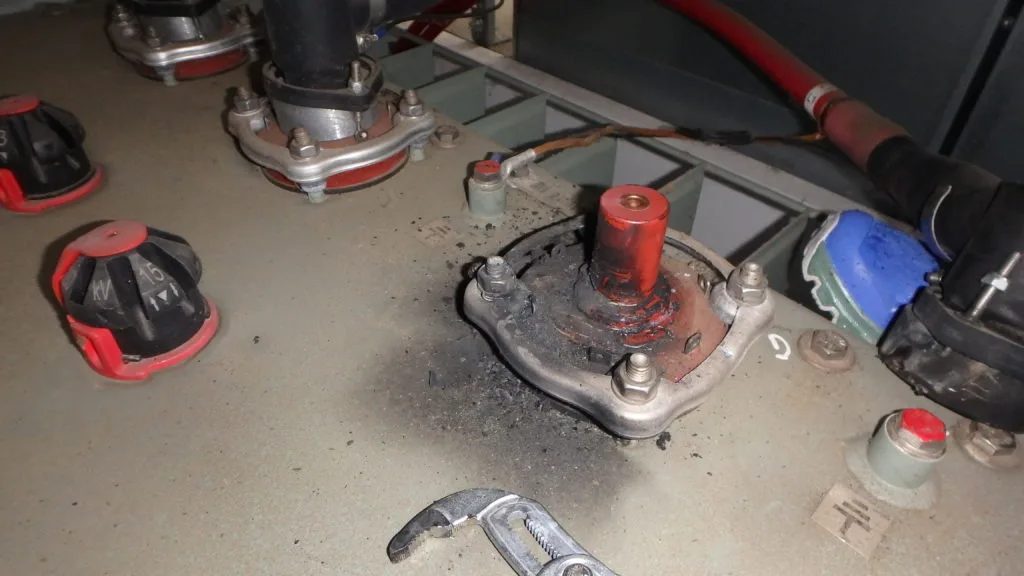
Defect assessments are required, among other things, for warranty and complaint applications and when taking over or assigning a PV system. A defect assessment includes the following points:
- Identification, analysis and categorisation of defects
- Analysing the effects and risks
- Quantification of the removal costs
- Determination of possible warranty claims
- Recommendations for action
Glare assessment
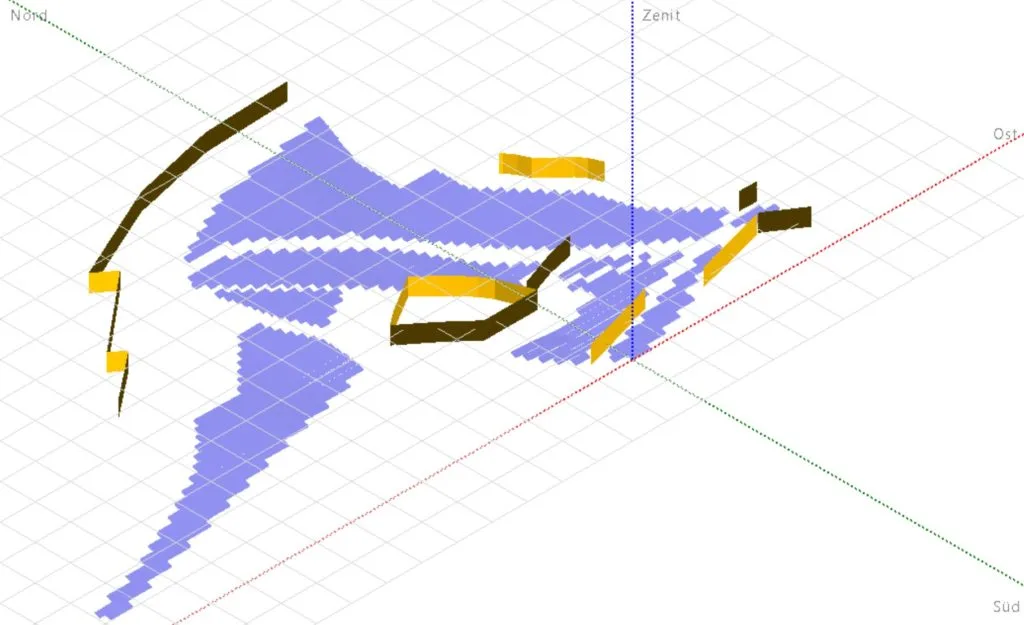
Glare assessments evaluate the glare effects of planned or already installed photovoltaic systems and the resulting risks for road users (also for air traffic in the case of systems near airports). In addition, glare reports can be used to determine the immission impact of reflections on zones requiring protection, such as residential areas.
- Simulation-based determination of the glare effect
- Risk assessment for road users (vehicle and air traffic)
- Quantitative and qualitative analysis of immissions
- Recommendations for action
Self-consumption calculations for industry and commerce
By operating their own PV systems (including electricity storage), commercial and industrial companies can significantly reduce their electricity costs. We determine the profitability of operating PV systems in the context of trade and industry for you.
- Evaluation of the underlying load profile
- Dimensioning of the PV system (and storage system if applicable)
- Determination of the levelised cost of energy
- Determination of the self-consumption rate
- Determination of cost savings through own electricity consumption
Evaluation of existing expert opinions
We check existing reports for completeness and correctness of content and summarise the results in a separate report.
Drainage assessment
Since the flooding in the Ahr valley (Germany) at the latest, the responsible authorities have become particularly sensitised to the risks of heavy rainfall and flooding. In many regions, the submission of a drainage report is therefore required as part of the authorisation process for photovoltaic systems. This report analyses the precipitation runoff behaviour of the project area in its original state and presents the changes resulting from the construction of the PV plant.
Noise immission forecasts to TA Lärm
We prepare indicative forecasts of the noise immissions of PV plants — in particular in connection with battery storage systems, inverters and transformer stations. The assessment follows the German Technical Instructions on Noise Abatement (TA Lärm) as a guide and can point to possible noise immissions as early as the first planning stages.
RPS analysis
Where a ground-mounted plant adjoins a federal trunk road, the road construction authority or the Federal Highway Office may require evidence of the clearances to be maintained as part of the permitting procedure. We assess module tables, stations, fences and gates against RPS 2009. You receive the report in a form suitable for review and, in addition, a georeferenced file of the required minimum clearance — as a shapefile or DXF, ready to be taken straight into your planning.
Decommissioning cost analysis
We analyse the decommissioning costs to be expected for ground-mounted photovoltaic plants and prepare statements for permitting procedures as well as concepts for provisions and securities.
Planning and consulting
Support with all technical project planning steps or complete takeover of the planning.
In particular: Grid connection planning, support during planning/implementation in accordance with the specifications of the grid operator and the local standards.
- Yield analysis
- Design planning
- Sizing of battery storage systems
- Support with system certification and declaration of conformity
- Selection of system components
- List of services / Service description
- Tender support
- Construction supervision and quality assurance
Special topic: sizing of battery storage systems
How large should the storage system be? Power rating and storage duration determine the revenue that can be achieved, the capital expenditure and the requirements placed on the grid connection — and cannot be changed once the system is ordered. We compare sizing options under identical assumptions and set additional revenue against additional cost for each option.
The calculations are the same as those of the revenue assessment. The two can be combined or commissioned separately; the full description is on the revenue assessment page.