Why do I need a noise assessment for a battery storage system?
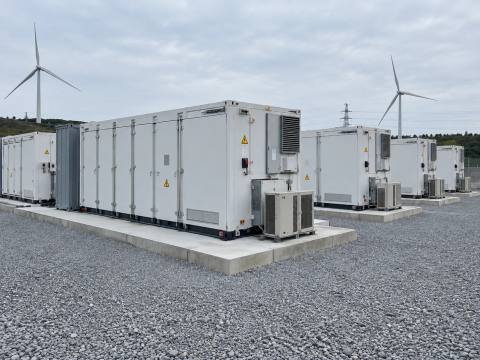
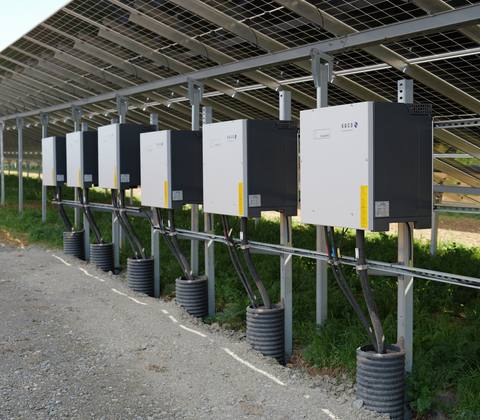
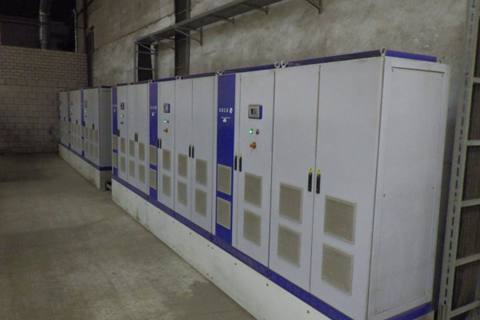
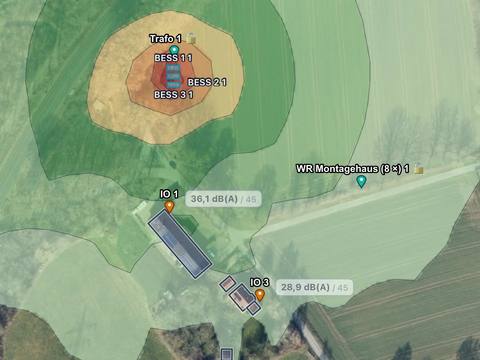
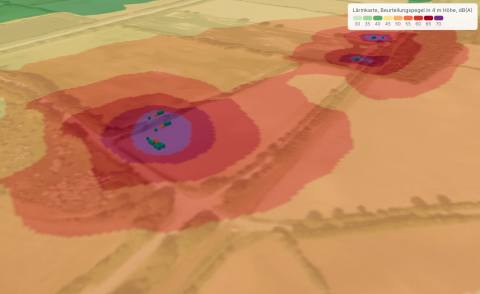
Battery storage systems, inverters and transformers produce continuous noise. The authority has to verify whether the immission guide values of the TA Lärm (German Technical Instructions on Noise Abatement) are met at the neighbouring buildings – by day and above all at night. The noise assessment provides this evidence.
What is the difference between a simplified and a detailed prediction?
The simplified prediction (TA Lärm Annex A.2.4.3) uses simplified sound propagation and conservative assumptions – with less effort, but only where there is sufficient margin to the guide value. The detailed prediction calculates in frequency bands according to DIN ISO 9613‑2, taking terrain, buildings and screening into account, and is required when the margin is small or mitigation measures have to be demonstrated.
How do I know which prediction my project needs?
This is exactly what the site evaluation clarifies. It shows the margin to the guide value at each immission point and recommends the appropriate assessment. A detailed prediction is only prepared if a simplified one is not sufficient.
Which guide values apply?
This depends on the type of area at the immission point (TA Lärm No. 6.1). In a general residential area, for example, 55 dB(A) applies by day and 40 dB(A) at night. We classify each immission point with documented evidence and, to be on the safe side, also calculate against the next stricter category.
What if the guide values are exceeded?
We then show which measures make the project approvable – such as quieter equipment, night-time operation at reduced power, a different layout or a noise barrier – and demonstrate their effect by calculation.
How long does a noise assessment take?
Usually two to three weeks after receipt of complete documents. If it is urgent, please contact us.
Which documents are required?
We need a site plan showing the noise sources, the manufacturers' data sheets and noise measurement reports, information on operation by day and at night and, if known, the area classification of the immission points (e.g. purely residential area, mixed area). Once we have received your enquiry, we will help you put together the documents required.